New & Used Golf Drivers: Test On The Course
Don't gamble $500 on a driver you've never hit. Browse our collection of premium new and used golf drivers. The smartest way to upgrade your bag is to TRYbe-It—demo the club on your actual home course before you commit to buying.
-
 Sale
Sale -
Wilson DYNAPWR Max Driver 2025
TRYBE IT NOWTrybe It: $390.00 Due TodayBuy Now: $499.99 -
-
 Sale
Sale -
-
-
TaylorMade R7 Quad Mini Driver
TRYBE IT NOWTrybe It: $365.00 Due TodayBuy Now: $479.99 -
 Sale
Sale -
 Sold out
 -
 Sale
Sale -
TaylorMade Stealth 2 HD Driver (Used)
TRYBE IT NOWTrybe It: $165.00 Due TodayBuy Now: $249.99Sold out -
 Sale
Sale -
-
-
-
-
TaylorMade Women's Qi35 Max Lite Driver
TRYBE IT NOWTrybe It: $390.00 Due TodayBuy Now: $449.98Sale -
-
Wilson DYNAPWR Carbon Driver 2025
TRYBE IT NOWTrybe It: $440.00 Due TodayBuy Now: $549.99 -
-
-
-
Wilson DYNAPWR LS Driver 2025
TRYBE IT NOWTrybe It: $440.00 Due TodayBuy Now: $549.99 -
 Sold out
 -
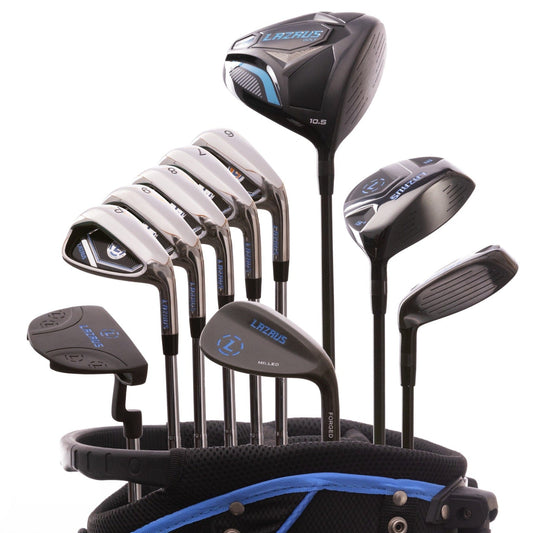
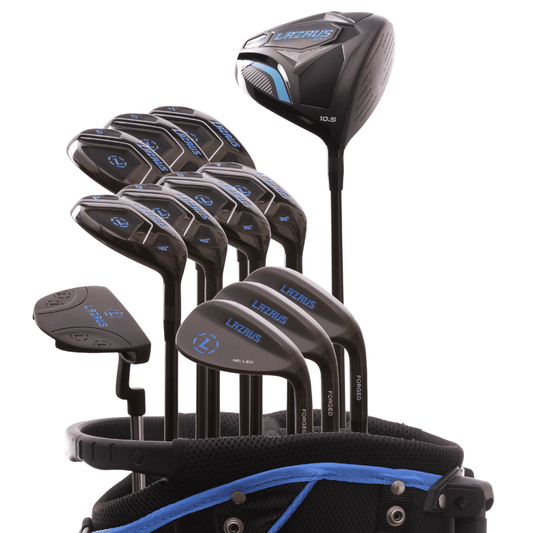
Lazrus Golf 11 pc Set - Driver, 3W, 4H, 6-PW Irons, 52° Wedge, Putter & Bag
TRYBE IT NOWTrybe It: $435.00 Due TodayBuy Now: $599.00Sale -
Lazrus Golf 2025 LAZ2-D Adjustable Driver
TRYBE IT NOWTrybe It: $125.00 Due TodayBuy Now: $247.00Sale -
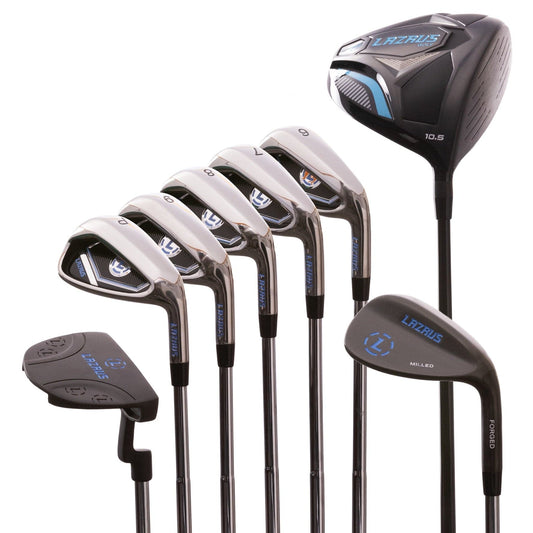
Lazrus Golf 8 pc Set - Driver, 6-PW Irons, 52° Wedge, Putter
TRYBE IT NOWTrybe It: $310.00 Due TodayBuy Now: $467.00Sale -
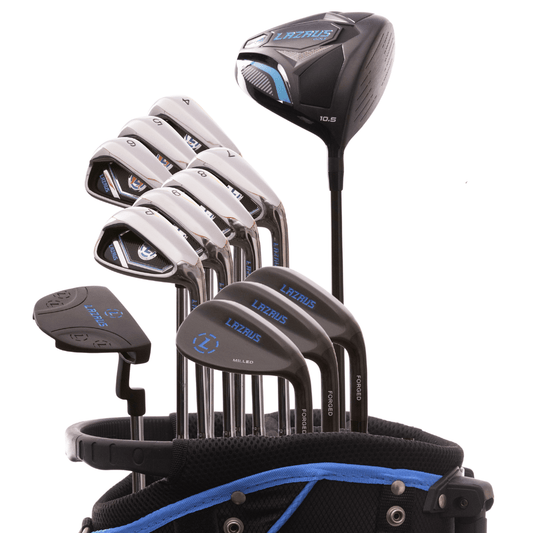
Lazrus Golf 13 pc Set - Driver, 3 Wedges Set, Irons (4-PW), Putter & Bag (optional)
TRYBE IT NOWTrybe It: $525.00 Due TodayBuy Now: $747.00Sale -
Lazrus Golf 13 pc Set - Driver, 3 Wedges Set, Hybrids (4-PW), Putter & Bag (optional)
TRYBE IT NOWTrybe It: $535.00 Due TodayBuy Now: $747.00Sale -
Lazrus Golf Driver and Fairway Wood Bundle
TRYBE IT NOWTrybe It: $90.00 Due TodayBuy Now: $277.00Sale




Driver Upgrade Guide: How to Choose
Finding the right driver is about matching the technology to your swing speed and typical miss. Here is what to focus on before you demo.
1. Shaft Flex: Speed is Everything
The shaft is the engine of the golf club. If you slice the ball (it curves hard to the right for a right-handed golfer), your shaft might be too stiff. Most amateur golfers benefit from a Regular (R) or Senior/Lite (A) flex. If you swing aggressively fast, look for a Stiff (S) flex.
2. Loft: Higher is Usually Better
Many players make the mistake of buying a 9.0-degree driver because the pros use it. Unless you have an incredibly fast swing speed, a 10.5-degree or 12-degree driver will keep the ball in the air longer, resulting in more total distance and a straighter ball flight.