
YOUTH BASEBALL CATCHERS MITTS
Build confidence behind the plate with a mitt sized right for young hands. Our youth collection features patterns ranging from 31" to 32.5" with tapered wrist openings for a secure fit.
The $0 Field Test
Member Trial Program
Performance Pass
Up to $150 Due Today
Elite Pro-Grade Trial
Over $150 Due Today
GUARANTEE
Fast, Free Shipping on Orders Over $99
-
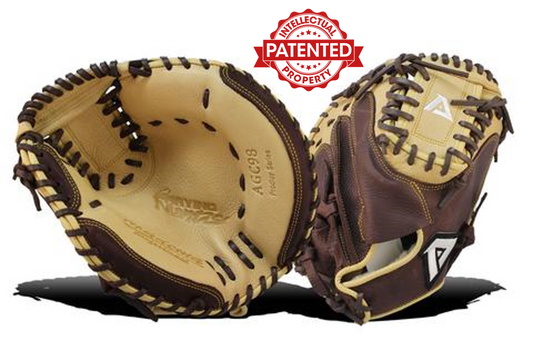
Agc 98 Catchers Mitt Baseball Glove Akadema Premium Glove
TRYBE IT NOWTrybe It: $0.00 Due TodayBuy Now: $169.99
Parent's Guide to Youth Catchers Mitts
A mitt that is too large prevents the player from squeezing the glove shut, leading to dropped balls. Look for "Game Ready" leathers that require very little break-in.
Sizing by Age Group
- Ages 7-9: Look for 31" to 31.5" mitts. These are lightweight with tapered wrist openings.
- Ages 10-12: Look for 32" to 32.5" mitts. These offer better padding for travel ball pitching velocities.
Fit Tip: If the glove falls off when their hand is down, it's too big. Youth mitts should stay secure even during sudden movements.
Common Questions
What is the best size catcher's mitt for a 10-year-old?
A 32-inch mitt is usually the sweet spot, providing enough surface area to block balls while remaining small enough for them to close.
Should I buy an adult mitt for my son so he "grows into it"?
No. Adult mitts are significantly heavier and have wider hand openings, which can cause young players to develop poor mechanics or "stab" at the ball.